KazIOR
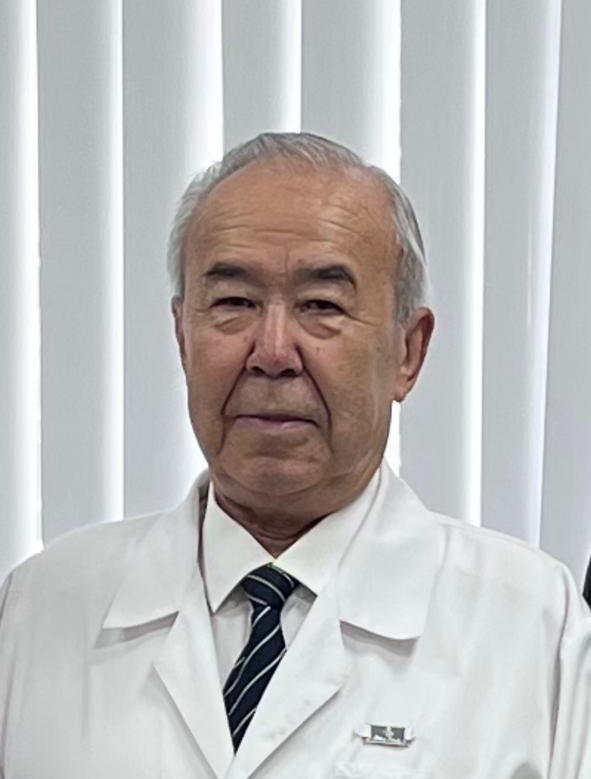
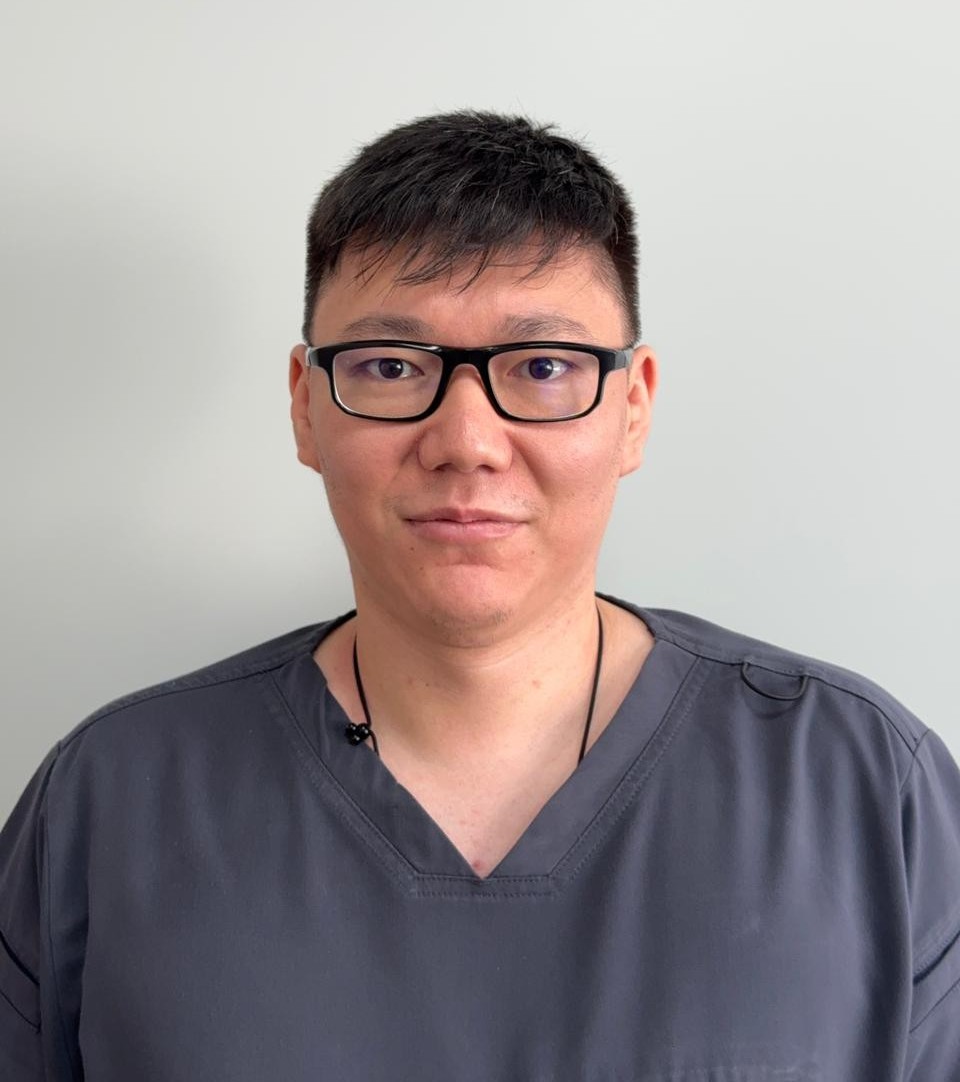
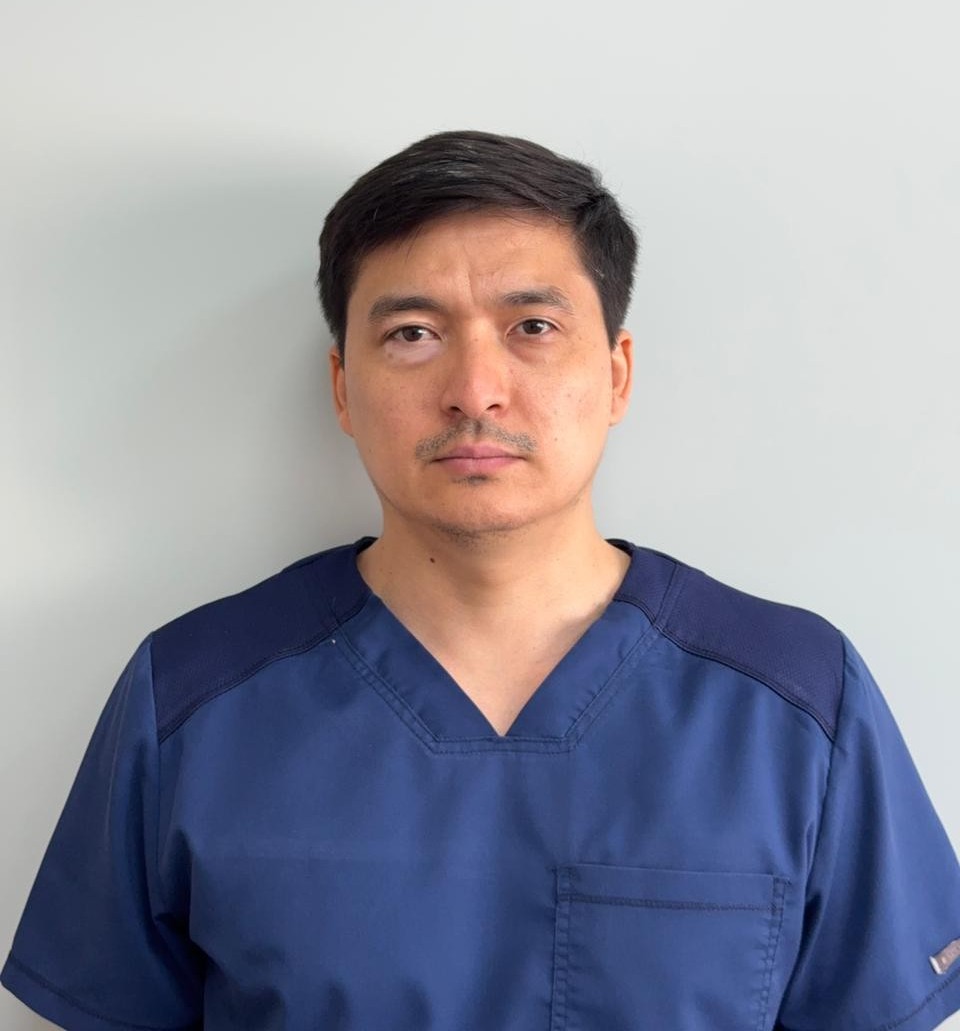
The Department of Endoscopy and Functional Diagnostics is one of the leading divisions of the Kazakh Institute of Oncology and Radiology. The effectiveness of cancer treatment is closely linked to early diagnosis, as the likelihood of a cure increases significantly when a malignant tumor is detected at the initial stages of its development. The latest equipment, modern clinical technologies, and most importantly our professional team, whose success is defined by extensive clinical experience, high expertise, intelligence, and mastery of the department’s doctors, are all directed toward providing the best care for our patients.
The department, in turn, addresses the diagnosis and treatment of diseases of hollow organs, as well as those of the cardiovascular and respiratory systems. In addition, it carries out dynamic monitoring of treatment effectiveness for patients who seek medical care at the institute’s clinic.
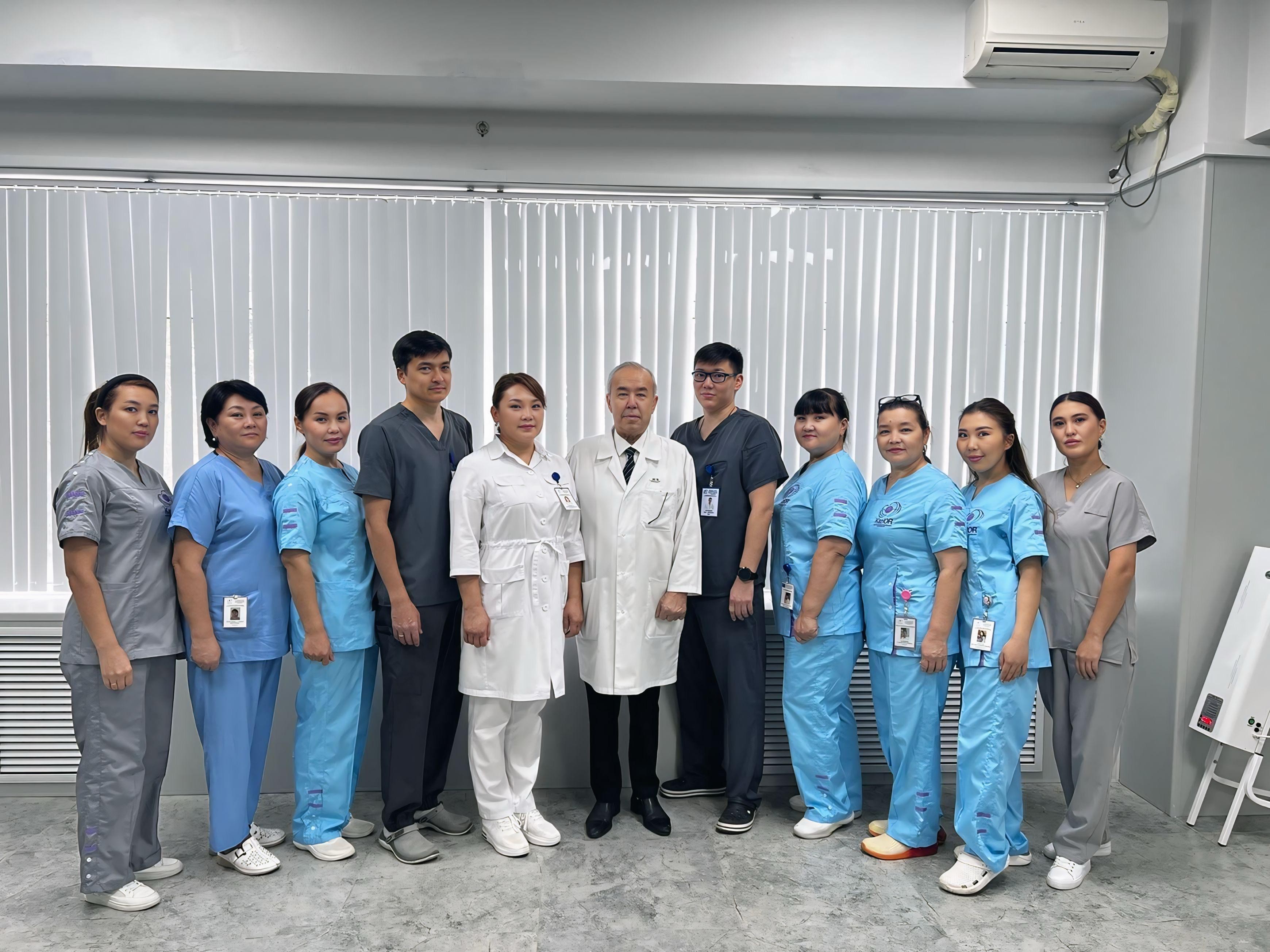
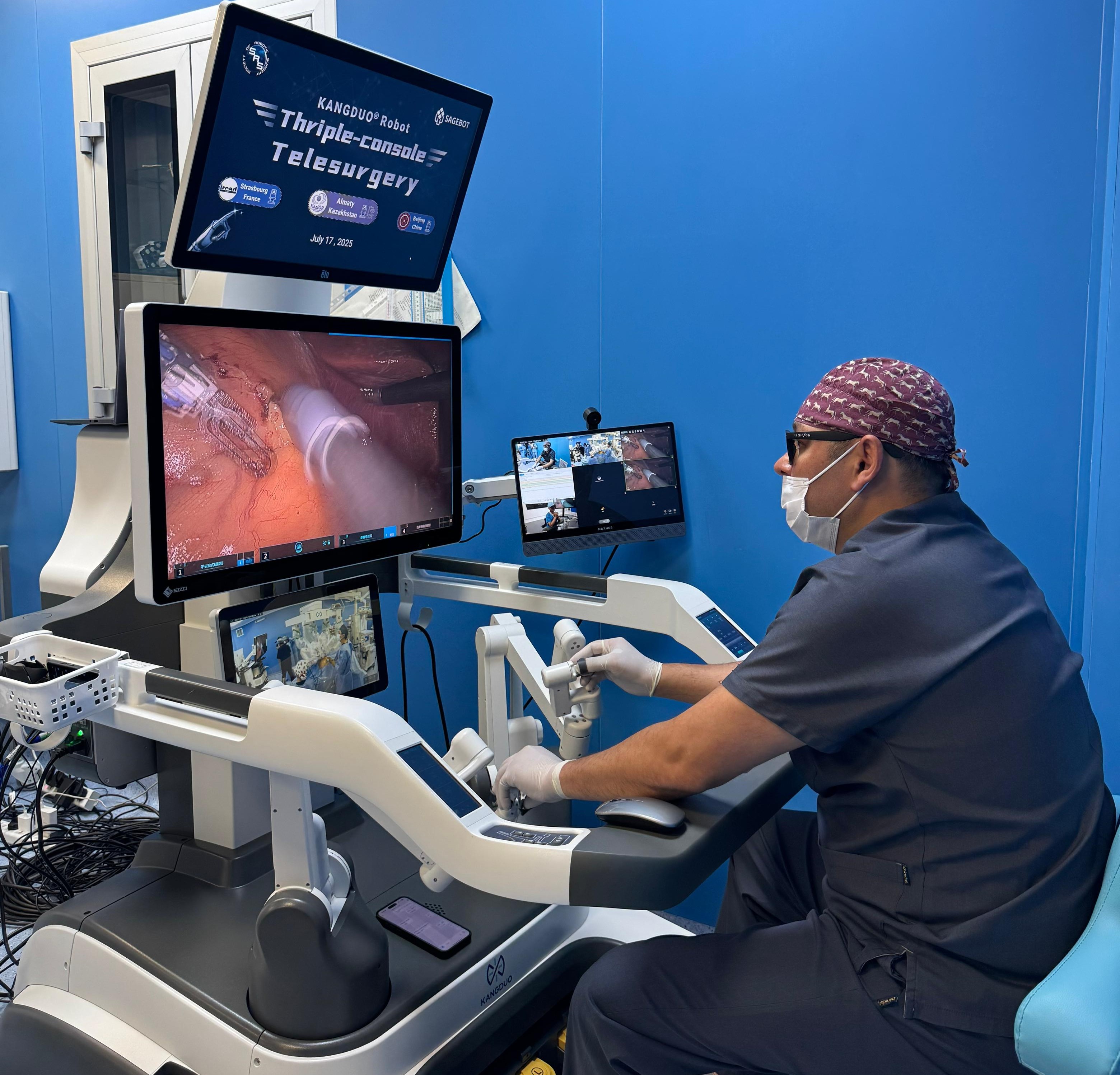
The department’s responsibilities include endoscopic and differential diagnostics of tumor and non-tumor diseases using modern techniques for morphological verification of visually detected pathology in the examined organs, with clarification of the boundaries of disease spread. It also evaluates the effectiveness of conservative and surgical treatment methods and detects tumor recurrence after completed therapy. All types of endoscopic examinations are performed, including epipharyngolaryngoscopy, tracheobronchoscopy, esophagogastroduodenoscopy (EGD), colonoscopy, duodenoscopy, endoscopic retrograde cholangiopancreatography (ERCP). Additionally, the department conducts functional studies such as electrocardiography (ECG), spirometry, and echocardiography. Palliative endoscopic electrosurgery is used for malignant tumors of the trachea and bronchi, as well as loop electro-excision of benign neoplasms of the upper and lower gastrointestinal tract. Mucosal resection is performed for early esophageal, gastric, and colorectal cancers. Recanalization procedures with placement of esophageal, tracheobronchial, hepatobiliary, and intestinal stents are carried out for stenosing malignant tumors.
In the department, some procedures are performed under intravenous sedation with the involvement of highly qualified anesthesiologists, using modern endoscopic equipment from leading manufacturers.