KazIOR
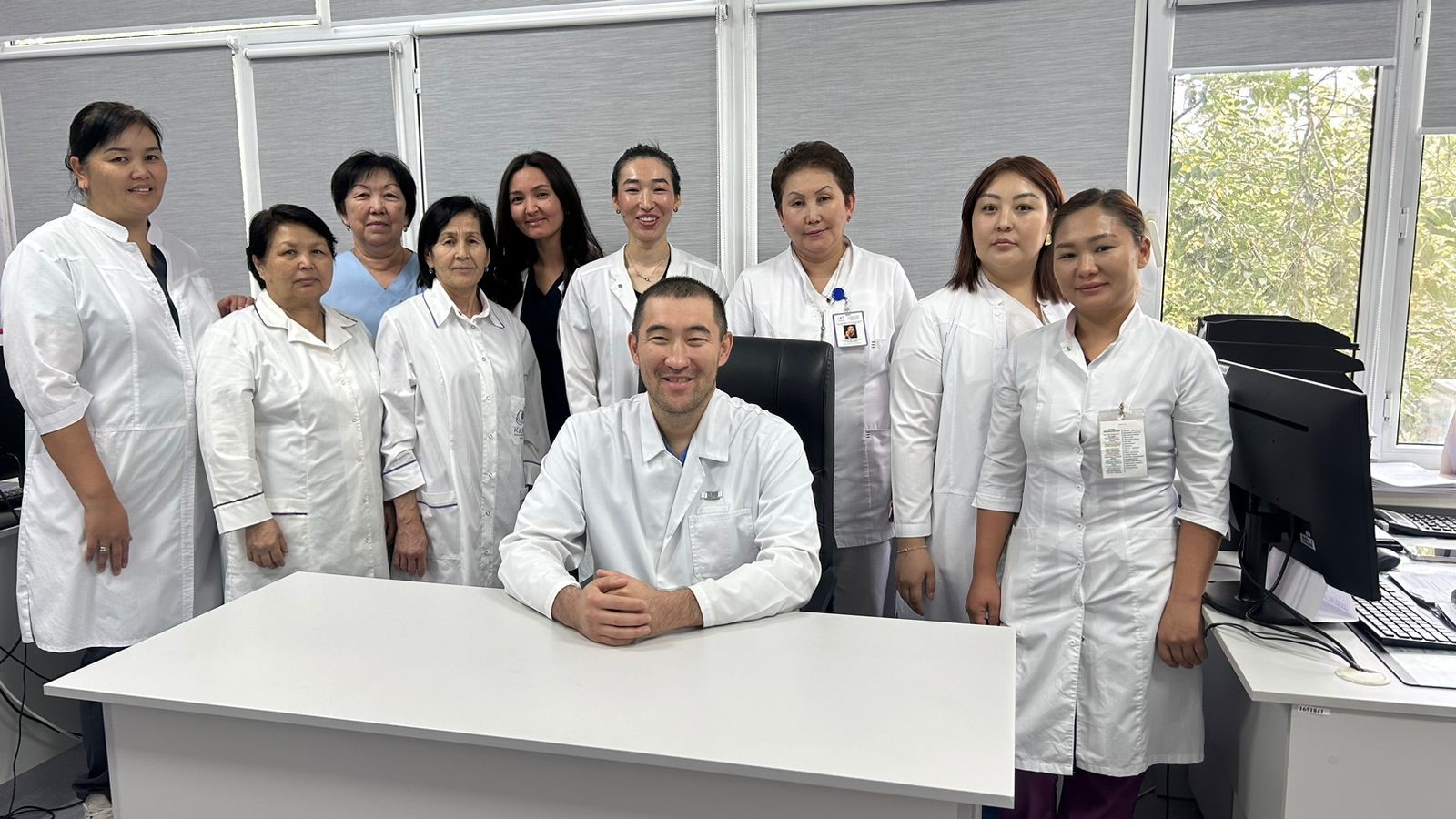
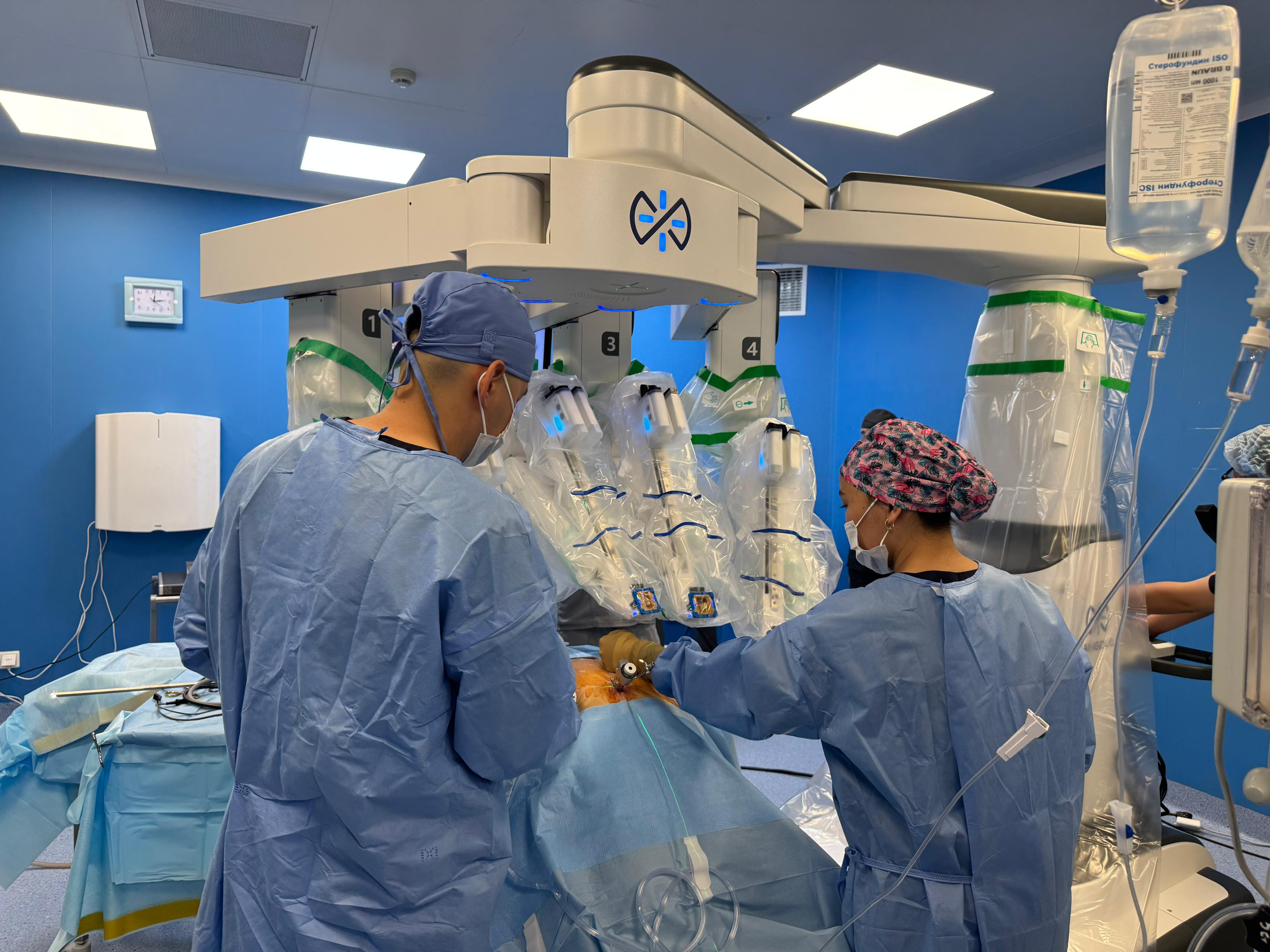
The day surgery unit with an oncological focus plays a vital role in providing specialized medical care to patients with oncological diseases at various stages of their illness. Its activities cover several key areas: performing minimally invasive, high-tech surgical procedures in a day-stay setting; providing symptomatic therapy to patients with progressive forms of cancer (second clinical group); and offering rehabilitation for oncology patients, ensuring an individualized approach and supporting patients’ quality of life.
Number of beds: 17
Main focus: day surgery unit
The main goal of the department is to perform diagnostic and therapeutic procedures that do not require round-the-clock patient monitoring. This is particularly relevant for the early detection of malignant tumors, as well as for the need to carry out minimally invasive procedures. The department performs the following types of interventions:
The advantage of the day hospital is the reduced length of patient stay, which lowers the risk of hospital-acquired infections and improves treatment tolerability. All procedures are performed using modern anesthesia techniques under continuous medical supervision.
Symptomatic therapy for patients in the second clinical group
The second clinical group includes patients with progressive (unresectable or metastatic) oncological disease. The primary goal of treatment in these cases is to improve quality of life, relieve pain, correct tumor-related disorders, and provide social and psychological support.
Within the day hospital, these patients receive:
● Pain management (including selection and adjustment of narcotic analgesic doses)
● Infusion support (administration of fluids, correction of water-electrolyte balance)
● Antiemetic therapy for nausea caused by the tumor or chemotherapy
● Correction of anemia and thrombocytopenia (blood component transfusions, use of hematopoietic growth factors)
● Nutritional support (for patients with impaired nutrition)
● Symptomatic treatment of complications (ascites, cachexia, obstruction of the respiratory or digestive tract, etc.)
An important aspect is the multidisciplinary approach, involving oncologists, surgeons, chemotherapists, palliative care specialists, psychologists, and, when necessary, social workers.
Rehabilitation of oncology patients
Rehabilitation for patients who have undergone cancer treatment is aimed at restoring the physical, psychological, and social well-being of the patient. The day hospital provides the following rehabilitation services:
Psycho-emotional support: sessions with a psychologist, group activities, and training in self-care techniques.
Post-surgical recovery: care of postoperative wounds, stoma care training, prevention of lymphedema, etc.
Management of chemotherapy- and radiotherapy-related effects: treatment of dermatitis, mucosal lesions, and gastrointestinal complications.
Nutrition and lifestyle counseling.
Rehabilitation is tailored to the individual patient, considering the stage of disease and the extent of treatment received. The goal is not only to restore functional abilities but also to enhance motivation for an active life and social adaptation.